Want to give your patients that wow factor every time? Try using Smile Design, the method to test how a patient’s new smile will look with a digital image and a physical try-in.
Read More
Want to give your patients that wow factor every time? Try using Smile Design, the method to test how a patient’s new smile will look with a digital image and a physical try-in.
Read MorePoor retraction is responsible for more remakes than any other single issue. Whether scanning or taking a physical impression, tissue displacement is essential to properly seating restorations.
One of the most consistent and successful retraction techniques is the dual cord technique, also known as the double cord technique.
Despite what the name implies, digital dentures can be fabricated from both a physical impression or a scan– the digital component comes in at the design stage. Using CAD technology and top-of-the-line Carbon M3 3D printers, the digital design method opens the door for any type of customization.
Read MoreAre your patients showing signs of wear? Bruxism? Thermoformed night guards are quickly becoming a treatment of the past and the often-prescribed occlusal guard is getting an upgrade thanks to breakthroughs in 3D printing technology.
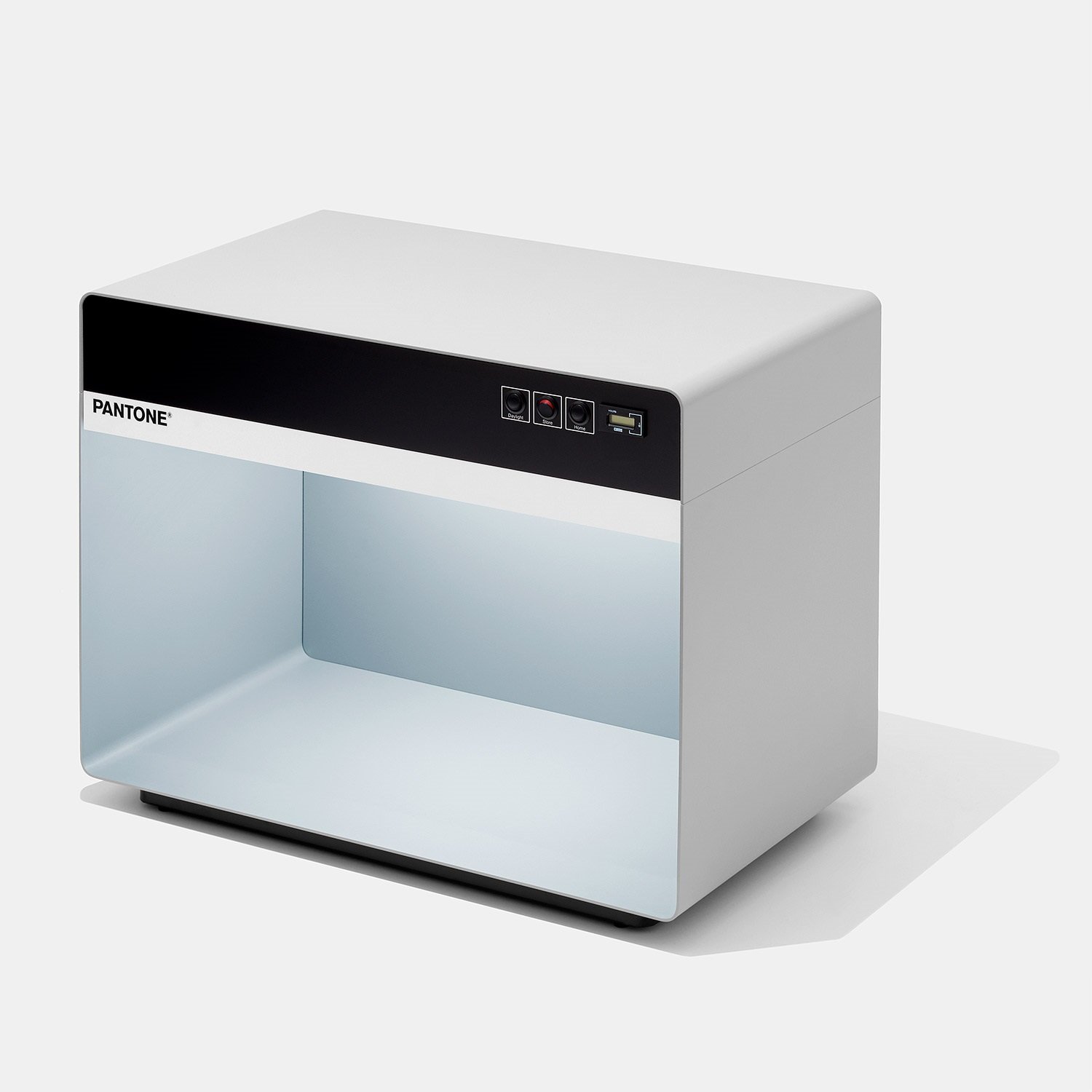
Read MoreHow does Paramount Dental Studio deliver consistent shade matching? Matching a tooth to a specific shade seems simple enough. Well, unfortunately, the same shade can actually look different depending on the lighting conditions.
Read MoreWhen it comes to 3D printing, the printer you use matters. Have you ever received a crown that fits on the model, but not in the patient’s mouth? It isn’t necessarily because of a bad scan or impression. One cause could be the 3D printer used to printer the master model.
Read MoreA simple switch could make all the difference between a crown that drops in and a remake. Check out Dr. Stanley’s video for this little-known but extremely powerful tool on your scanner.
Read MoreWhen you hear artificial intelligence (A.I.), what’s the first thing that comes to mind? RoboCop, self-driving cars, smart fridges that reorder milk before you run out?
... How about dentistry?
Read MoreAlthough gold was always touted as being very "biocompatible" and used with gold inlays that go subgingival, it should not be used in implant restorations. This is because gold was shown in a 2008 dog study to have an apical shift of the barrier epithelium and marginal bone after being left in place for several weeks.
Read More